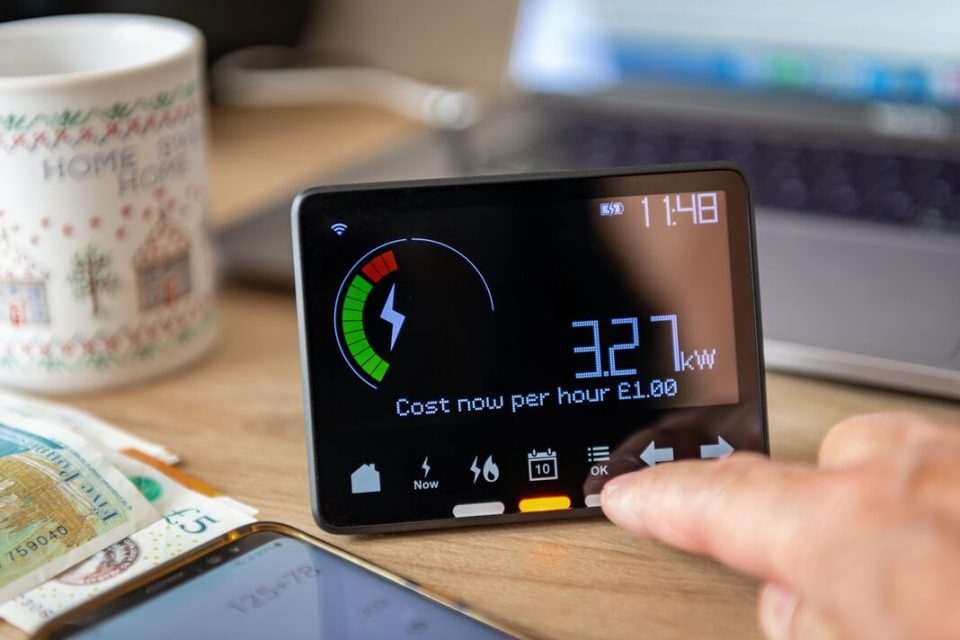

Energy bills will go up by £136 less than first feared, the latest predictions say (Image: Getty)
Good and bad news is on the way for UK households and their gas and electricity bills this summer. New predictions from analytics firm Cornwall Insight say energy bills will increase by £196 a year from July 1, but the rise is much lower than had first been feared following the conflict in Iran.
Cornwall Insight said its prediction for Ofgem’s cap from July to September now stands at £1,837 for a typical dual fuel household, an increase of 12% on April’s cap.
In early March, it had warned that annual household energy bills could surge by £332 to £1,973 from July when the next cap comes into effect. The change means bills will rise by £136 less than first predicted.
The lower than previously forecast rise signals some easing back in wholesale energy costs after the initial painful price spikes seen at the start of the war, on February 28.
Read more: Tesco, Asda, Aldi, Sainsbury’s and Morrisons customers urged to get free £210
Read more: British Gas, Octopus, EON and OVO customers told to claim over £500 before July
But wholesale markets remain volatile and Britons will still face steep rises in their gas and electricity bills as the fall-out of the Middle East conflict sends wholesale energy and oil prices soaring.
Cornwall Insight recently cautioned a rise in the cap in July is “effectively unavoidable” with rocketing wholesale prices already locked into the calculation and little chance that they will fall below pre-war levels in the coming weeks.
Ofgem will officially announce the next price cap level by May 27.
It reduced the annual cap by 7% to £1,641 between April and June, driven by the Government’s promise to cut bills by an average of £150 by removing green subsidies.
The prospect of a big jump in gas and electricity costs when the cap is next updated in July has prompted the Government to say it will look at further targeted support as part of contingency planning efforts.
Earlier this week, the Government also extended upcoming electricity bill support to 10,000 firms, which will offer some respite to companies, given they are not covered by the household energy price cap.
Wholesale energy costs are not seen coming back down to pre-war levels until the Strait of Hormuz, through which a fifth of the world’s oil and seaborne gas is carried, is reopened.
Its blockage and the disruption to supply, combined with attacks and stoppages at energy infrastructure across the Middle East, has sent gas prices soaring and the cost of crude surging as high as 120 US dollars a barrel at one stage since the conflict began.
Iran’s foreign minister and US President Donald Trump have said the Strait of Hormuz is fully open to commercial vessels today, Friday April 17.
In a social media post, Trump said Iran announced that the strait “is fully open and ready for full passage”.
Minutes earlier, Iranian foreign minister Abbas Araghchi posted on X that the passage for all commercial vessels through the strait “is declared completely open” in line with the ceasefire in Lebanon.
