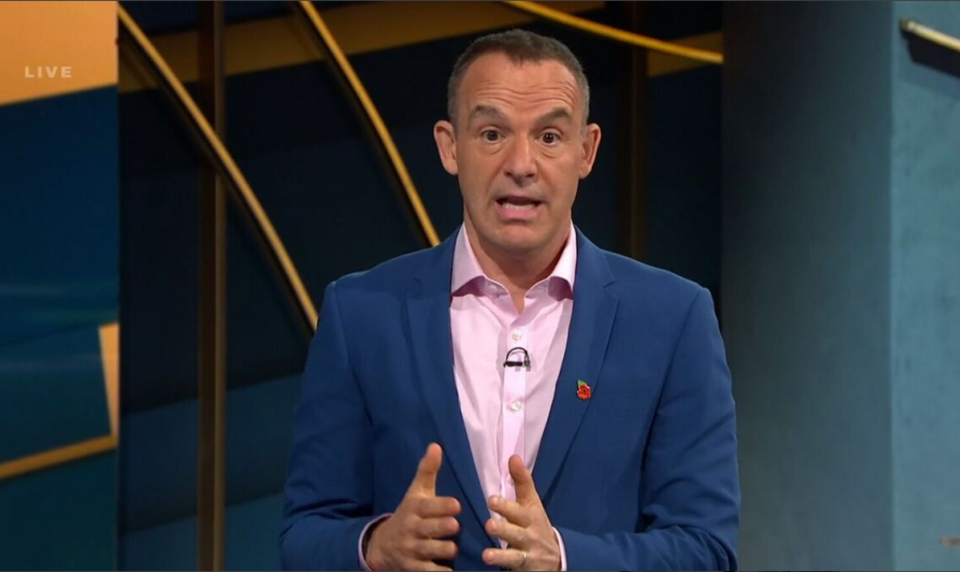

Martin Lewis (Image: ITVX)
Martin Lewis has issued a warning to Brits with bank accounts that there is one “dangerous” form of debt that most people might take advantage of that could be worse than credit cards. The personal finance specialist often talks about different tips for making the most of the money going in and out of our bank accounts.
Debt is a common topic that Martin deals with. Recently, Confused.com reported that over half (55%) of Brits entered 2026 facing debt following Christmas expenses.
With the ongoing cost of living crisis pushing finances to their limits as prices rise for basics such as food, household bills and more, even more people contemplate borrowing cash to make ends meet. However, a seemingly harmless safety net offered to most people with bank accounts could be the “most dangerous” kind of debt Brits could rack up.
Sharing a snippet from his podcast, Martin Lewis said: “The most dangerous form of mainstream borrowing in the UK isn’t a credit card, it’s an overdraft. Most overdrafts cost 40% interest, now compare that to a typical high street credit card of just 24.9%.
“While many people think credit cards [are] bad and debit cards [are] good, actually, if you’re overdrawn, your debit card is a debt card too – and it is more expensive than a credit card.
READ MORE: UK brewery collapses into administration – £2.2m of debt
READ MORE: DWP PIP claimants ‘risked being pushed into poverty’ as service branded ‘poor’
Martin used an example that people with both an overdraft and a credit card may think it’s best to wipe the credit card clean, but claimed this logic may be flawed. He said: “[People] often think ‘I need to try and pay off my credit card with my overdraft,’ so they’re paying off a 24.9% debt but they’re building up debt at 40%. You’d actually want to pay just the minimums on the credit card and get rid of the overdraft.
“Think of your overdraft like a debt [and] plan to pay it off. Let’s say you’re paying off £100 a month, that means at the end of this month, if you’ve got £700 in your overdraft, you need to budget and go through things to make sure next month it’s only £600.
Martin suggested one way to avoid starting the month deeper in the overdraft is to shift any direct debits, where possible, to just before payday. This means that your wages – be it from weekly or monthly pay – should top your balance back up and not vanish almost instantly after landing in your account.
What is an overdraft and how does it work?
In simple terms, an overdraft lets you borrow extra money through your current account. Typically, people will agree on an overdraft limit with their bank or lender (known as an arranged overdraft).
There are circumstances when people might find themselves in an unarranged overdraft. Natwest explained on its website that this is when people “spend more money than they have and you haven’t previously arranged an overdraft limit”. It can also be triggered when people with an existing agreement exceed their current overdraft limit.
If you use your overdraft sensibly and regularly pay it off, it could improve your credit rating. However, your overdraft could just as easily have a negative affect your credit score if you regularly go beyond your overdraft limit or into an unarranged overdraft.
Your bank is the first point of contact for managing, reducing, or increasing your arranged overdraft limit, as well as for help if you are struggling with repayments.
