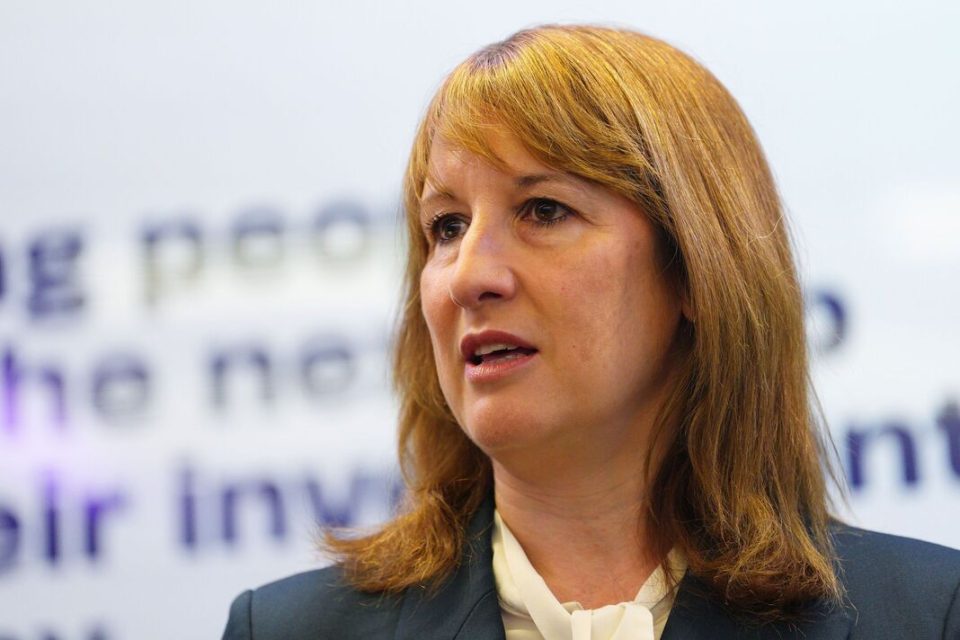

Chancellor Rachel Reeves has frozen tax thresholds until 2031 (Image: Getty)
Labour’s decision to freeze income tax thresholds is set to wipe out a £117 reduction in household energy bills introduced by the Prime Minister and Chancellor, a new study has found. Taxpayers are facing an average blow of up to £220 over the next year as more of their earnings are pulled into higher tax bands, according to new analysis.
This will more than cancel out this month’s drop in the energy price cap, which ministers have pointed to as proof of the government backing households through the ongoing energy crisis. Energy bills are forecast to surge due to Iran’s blockade of the Strait of Hormuz, which has caused significant disruption to oil supplies and threatens to destabilise the global economy.
The findings, commissioned by the Liberal Democrats, revealed that households in London and the southeast would be worst affected, losing around £220 and £200 respectively.
It comes as support is rising for a fresh campaign urging Chancellor Rachel Reeves to raise the lowest income tax threshold to £18,000. A new petition on the parliament website has witnessed backing soar since its launch and today hit a ket target — pressing Ms Reeves to reverse her decision to freeze the lowest income tax threshold of £12,570 until 2031.
In the November budget, Chancellor Rachel Reeves extended the tax threshold freeze to 2031. For the 2026/27 tax year, the standard UK Personal Allowance remains frozen at £12,570, meaning no income tax is paid on earnings up to this amount.
Some of Britain’s most financially vulnerable workers face taxation the moment their earnings exceed that figure — and because it has remained unchanged, inflation and wage growth mean that considerably more people are now liable for tax than would otherwise have been the case had it risen in line with historical precedent.
The petition has surged past 13,000 signups, triggering a formal response from the Treasury, which will have to set out its policy position and whether any amendments could be made. Should it reach 100,000, it will be put forward for consideration in a parliamentary debate
The petition, which can be viewed here, said: “Raise the personal tax allowance to £18,000. Since 2021 personal tax allowance has been frozen at £12,570. This freeze was due to expire this year but the Chancellor of the Exchequer has extended it to 2031. We want to keep some more of our own money.
“If you are earning minimum wage then you may soon be paying tax because of fiscal drag. Some higher earners pay little or no tax due to clever use of accounting rules. We think this is so wrong.”
This month has been branded “awful April” as millions of households are also bracing for higher council tax, water bills, broadband, entertainment and car tax costs. Combined, these increased expenses are expected to add £6.9 billion to the nation’s household bills over the next 12 months.
Cornwall Insight, the consultancy firm, anticipates the energy price cap will climb by £288, to £1,929, in July. There are also growing concerns over rising inflation, which prompted lenders to withdraw 1,500 mortgage deals in March.
Some households, however, will receive a welcome boost following the scrapping of the two-child benefit cap and a rise in the state pension. Housing benefit and personal independence payments are being uprated, although the health element of universal credit has been reduced for new claimants.
Education Secretary Bridget Phillipson said the government was “on the side of working families”, adding: “I know people are really worried about the cost of living and worried about what they see on their television screens around what’s going on in the world, and that’s why we have set out steps around the cost of living to help people.
“But we’ll keep things under review. We want to see a de-escalation of the conflict. That’s the fastest route to making positive change happen.”
Read more: Warning to anyone with £11,000 savings over ‘tax trap’ over HMRC rules
Read more: Big update on call to raise tax threshold to £18,000 as hits key milestone
The Liberal Democrats’ analysis suggested the freeze on the personal allowance and the basic rate limit would leave income taxpayers an average of between £160 and £220 worse off in the 12 months from April, depending on their location. Across the UK, around 600,000 people would be drawn into the basic 20p rate of income tax in 2026-27, the analysis found, and a further 580,000 people are being dragged into the higher 40p tax rate as a result of the continuing freeze.
In London alone, an estimated 110,000 middle earners are set to be pulled into the higher rate, more than any other region in England.
The freeze on income tax thresholds was introduced by the Conservatives in 2022 and subsequently extended by the Labour government in the autumn budget. As thresholds remain fixed while wages rise with inflation, workers are steadily pushed into higher bands even when their earnings haven’t grown in real terms.
The Lib Dems said their analysis revealed that those earning between £13,050 and £50,270 would pay approximately £134 more in income tax and national insurance contributions this year due to the freeze, while those earning between £52,520 and £125,140 faced an average additional burden of around £410.
Daisy Cooper, the Lib Dems’ Treasury spokeswoman, said: “People will understandably feel cheated by this government, which claims it’s helping just as it hammers them with a multibillion-pound stealth tax grab at the same time. Rachel Reeves once rightly accused the Conservative Party of ‘picking the pockets’ of working people by freezing tax thresholds, and now Labour is doing exactly the same.”
The impact of the tax threshold freezes has been scrutinised by the Office for Budget Responsibility (OBR), with the latest estimate suggesting that the freeze of income tax thresholds until 2030/31 will raise over £55 billion in 2030/31.
Following the most recent extension, the Guardian reported that, due to the prolonged freeze, a full-time worker on the minimum wage would pay an extra £137 a year by 2030.
Projections suggest that by 2027, the new state pension will exceed this figure owing to the triple lock mechanism, leaving pensioners at risk of facing steeper tax bills. The issue has sparked a wave of petitions, highlighting the depth of public concern across the country. Earlier this year, one campaign calling for the threshold to be raised to £20,000 amassed an impressive 281,792 signatures on the Parliament platform before being closed to further support during the summer.
This prompted a Westminster debate in which the Treasury put the financial cost at £50 billion. Highlighting the scale of public discontent, a new petition has since been launched calling for the income tax personal allowance to increase from £12,570 to £20,000. Campaigners regarded the earlier petition’s position among the most signed in the parliamentary website’s history as compelling evidence of broad public sentiment on the issue. Currently, a standard tax rate of 20 per cent applies to earnings above £12,570, while higher earners face a 40 per cent rate on amounts exceeding £50,270 – both thresholds have remained frozen since 2021.
To view the petition and sign up click here.
